

Blog
Mobile shoppers, AI crawlers, and why Gun Search Engine leans in
Gun Search Engine·
- mobile
- AI discovery
- shopping hubs
People buy guns and ammo on their phones. At the same time, AI assistants crawl product pages, summarize what is in stock, and send shoppers to a link. Gun Search Engine is built for that mix: a mobile-first card UI, and AI discovery baked in from day one.
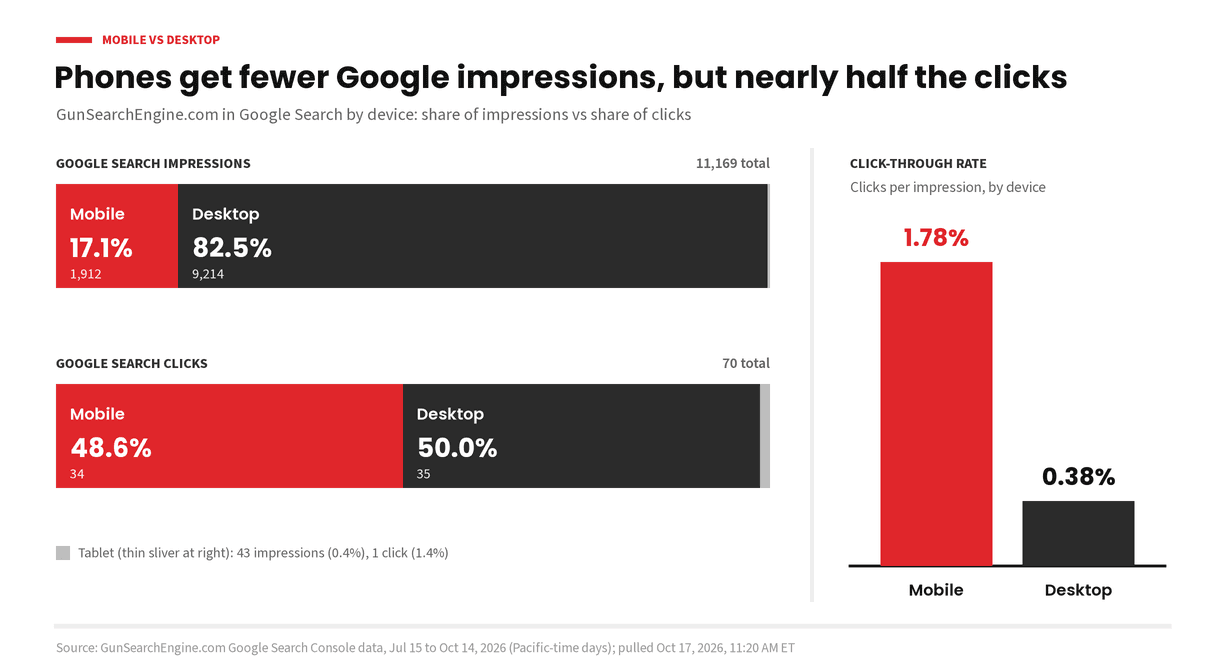
Phones are the storefront
Most of a shopping session starts on a small screen. Thumbs do the scrolling. Attention is short. A wall of text or a desktop table that pinches and zooms loses the visit before a product is tapped.
That is why GSE money pages and SEO hubs use a locked card layout. Short intros. Clear section labels. Horizontal rails on small screens. Sticky mobile CTAs. Browsing ammo, 9mm, guns, brands, models, and sellers should feel native on a handset, not like a desktop site squeezed sideways.
Mobile-first here is not a skin. It is the default reading order: thumb-reach actions, readable type, images that hold their space, and cards that snap into place. The hub you land on should answer the shopper in one glance, then get out of the way so they can tap into stock.
“If the hub is clumsy on a phone, the visit is already gone.”
AI is already in the aisle
Shoppers still type into a search box. More of them also ask an assistant. Those systems crawl public pages, pull structure, and answer with links. If your catalog is an empty shell or a maze of blocked paths, you do not show up in that answer.
GSE treats AI discovery as a product feature, not a nuisance:
llms.txtat the site root so agents get a plain map of what Gun Search Engine is and which URLs matter.- Structured, AI-readable product and hub pages with real HTML in the server response, not a blank shell waiting on a client render.
- Crawl-friendly, fast public pages that welcome AI assistants instead of blanket-blocking them.
- Clear hubs by caliber, gun type, brand, model, and seller so both classic search and AI tools can find the aisle.
When crawl traffic spikes, the answer is not to hide the catalog. Serve public pages from the edge. Keep crawl guidance honest in robots and site maps. Make the pages AI systems actually want cheap to re-read, so shoppers stay online too.
Blocking every bot can feel like control. It also leaves you invisible in the answers people are already reading. Welcoming good discovery, and keeping pages fast, is the better trade.
“AI assistants will keep reading the aisle. Make the pages worth reading.”
Built that way on purpose
GSE's bet is simple. Build for the phone in your pocket and for the assistant that will summarize the aisle. Keep live inventory pages fast enough that neither one knocks the other offline.
Card hubs, edge-friendly public pages, and a clear machine-readable map of the site are not add-ons. They are how the product was shaped: mobile UI first, AI discovery built in.
That shape shows up in every hub card and every product page a crawler can read. The same page a shopper opens on a phone is the page an assistant can cite.
Dealers who want inventory on GSE start at /for-dealers. Shoppers stay on the hubs.
“Welcome the crawler. Keep the page fast for the shopper.”
Traffic mix will keep moving. GSE will keep shipping card hubs, fast public pages, and clear machine-readable entry points so mobile humans and AI systems both get a clean read of what is in stock.
Where to shop
Shop the hubs
Browse live stock, or list inventory if you sell.
Related posts
October 18, 2026
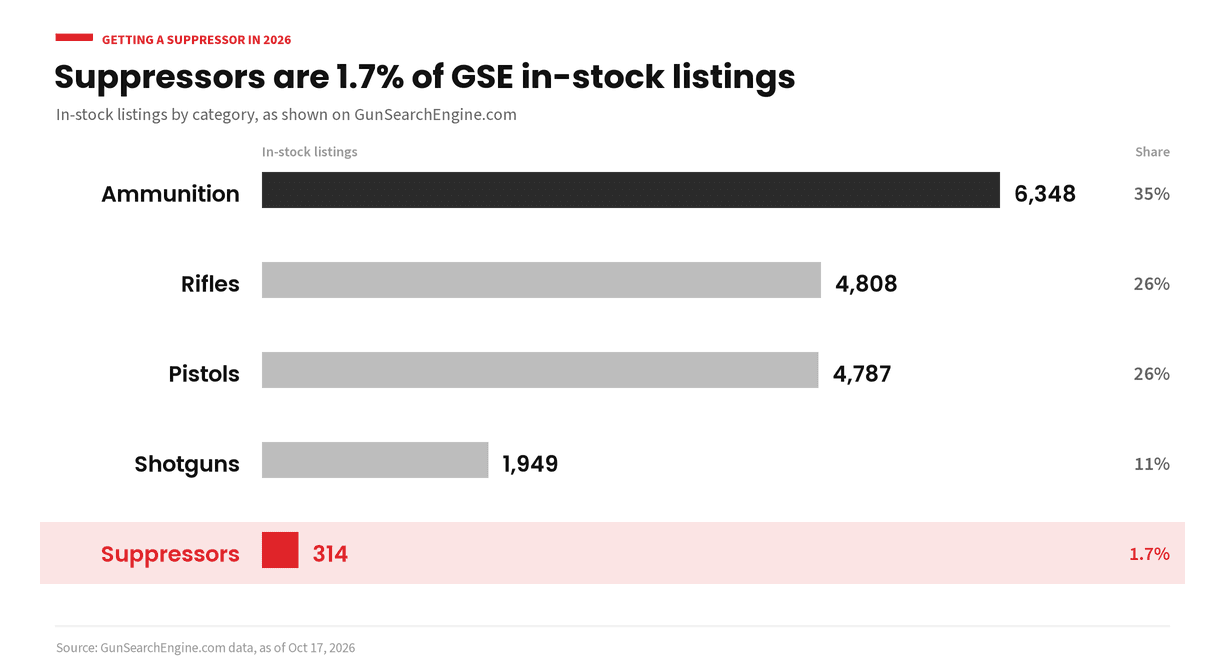
How to Buy a Suppressor: A Plain-English Guide to How It Works Now
How getting a suppressor works now that the federal tax is zero and federal registration is not being enforced, what your local dealer still does, and what to ask first. Per ATF guidance as of October 2026.
- suppressors
- nfa
- buying guide
October 18, 2026
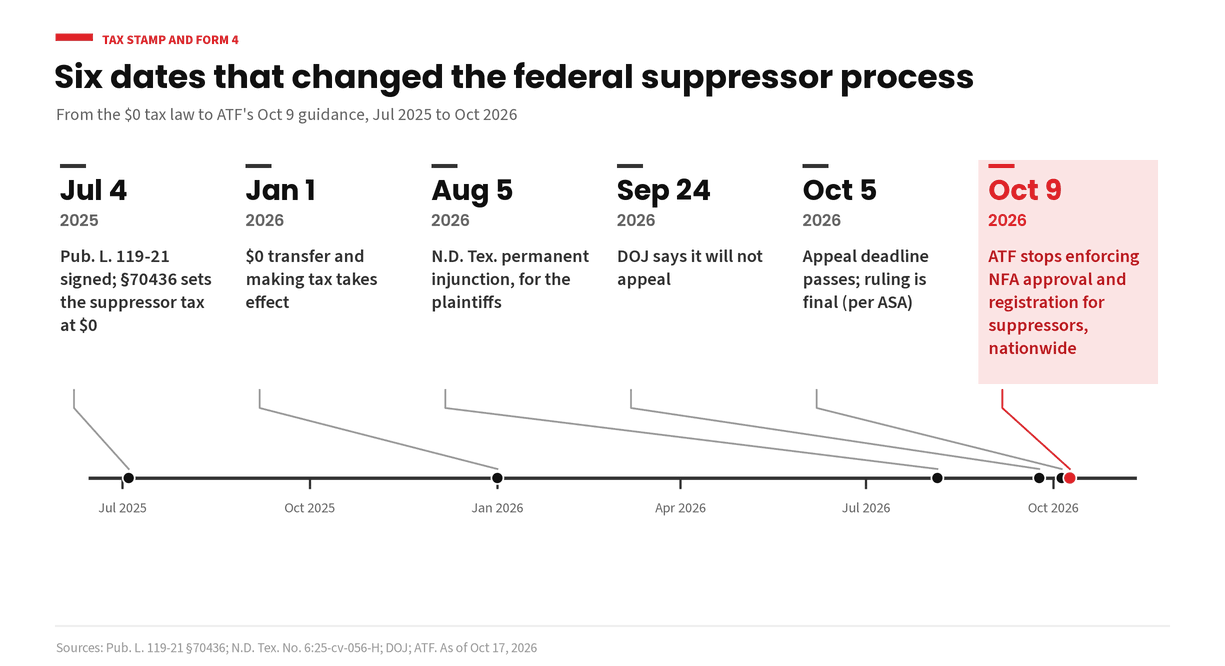
Do You Still Need a Form 4 or Tax Stamp for a Suppressor? What Changed in 2026
The federal suppressor tax is zero and ATF is no longer enforcing federal approval and registration for suppressors. Here is what changed, what your dealer still does, and when a Form 4 still matters. Per ATF guidance as of October 2026.
- suppressors
- nfa
- form 4
- tax stamp
October 17, 2026
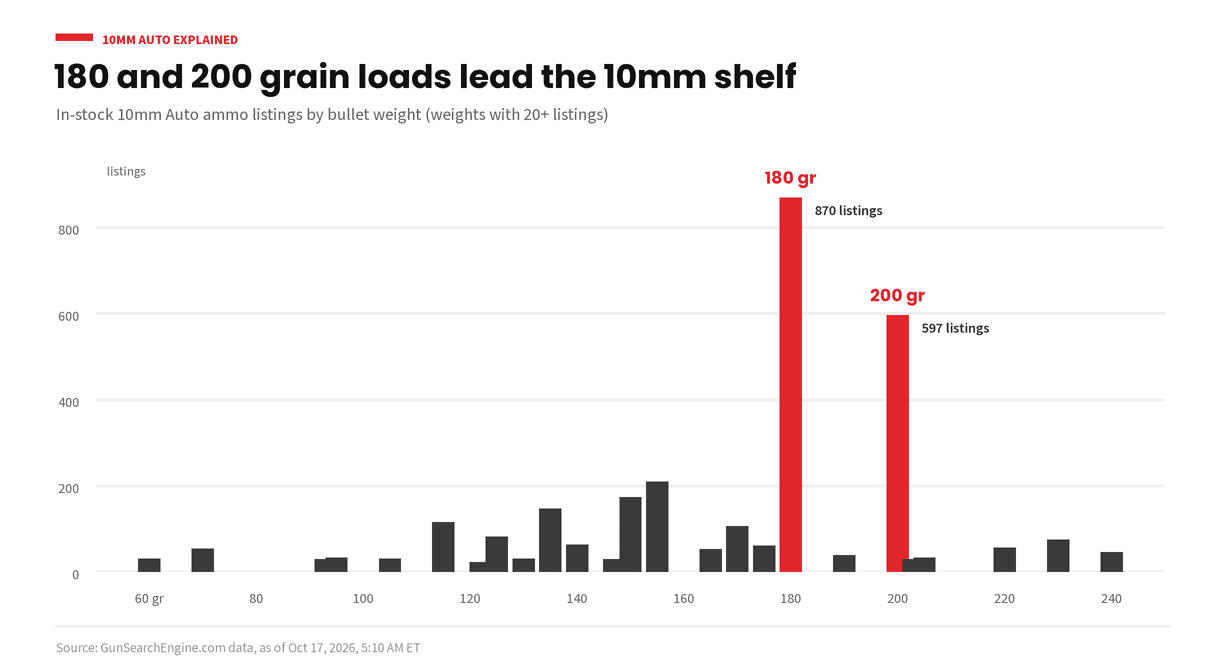
10mm Auto Explained: Full-Power, Subsonic and the Pistols That Shoot It
What the 10mm Auto cartridge is, how it relates to .40 S&W, the difference between full-power, lighter and subsonic loads, and what to look for in a 10mm pistol.
- ammo
- 10mm
- handguns
- calibers
October 17, 2026
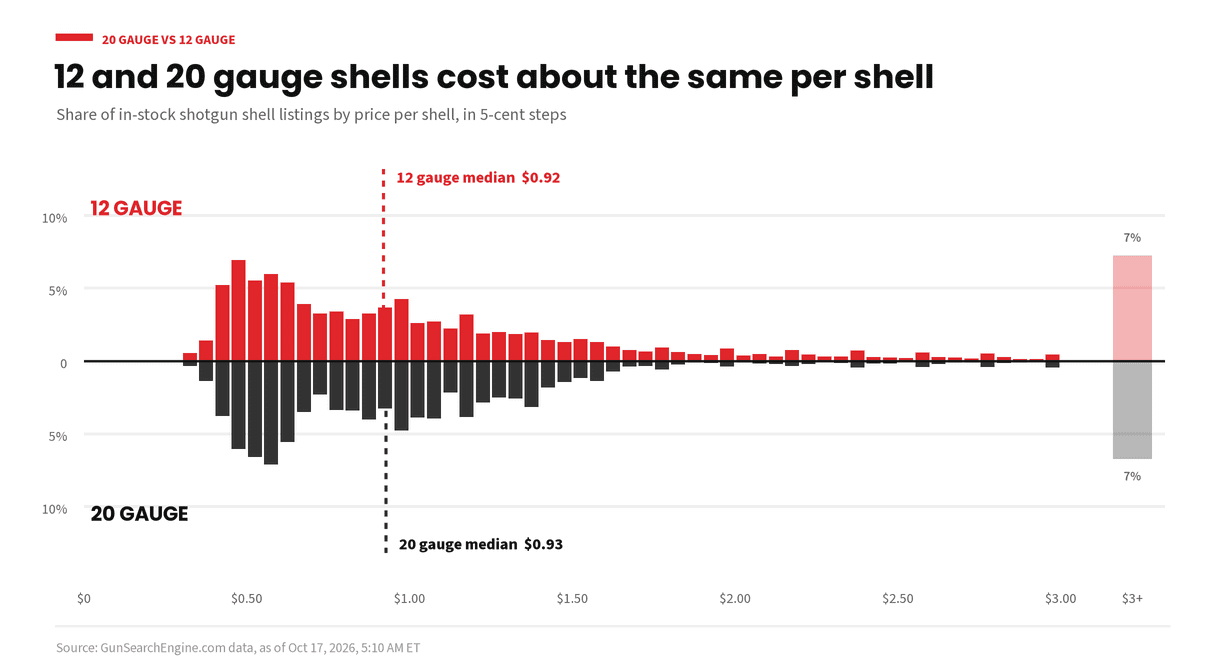
20 Gauge vs 12 Gauge: Which Shotgun Fits You?
How 20 gauge and 12 gauge shotguns differ in recoil, weight and shell choice, and how to pick the right one for clays, birds or home defense.
- shotguns
- 20 gauge
- 12 gauge
- comparisons
October 17, 2026
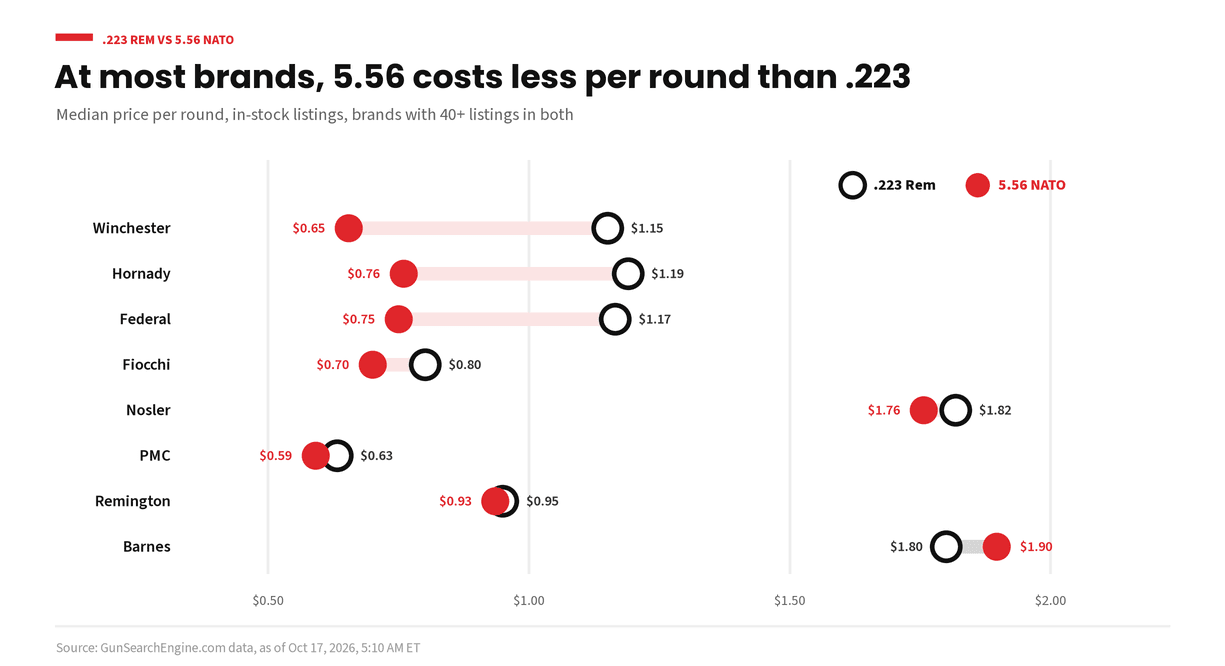
.223 Remington vs 5.56 NATO: What's the Difference?
The .223 Remington and 5.56 NATO look the same but are loaded and chambered differently. Here is which rifles can safely shoot which round.
- rifle ammo
- .223 Remington
- 5.56 NATO
- comparisons
October 17, 2026
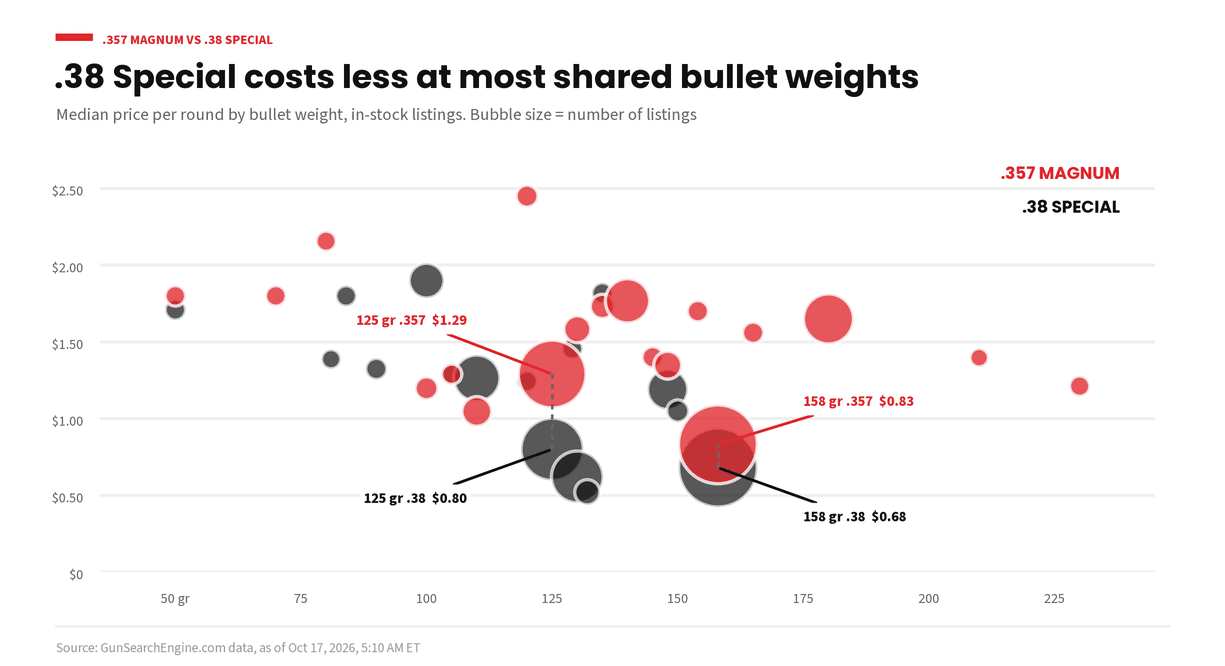
.357 Magnum vs .38 Special: What's the Difference?
Why a .357 Magnum revolver can shoot .38 Special but not the other way around, how recoil compares, and how to pick loads for the range or for defense.
- handgun ammo
- .357 Magnum
- .38 Special
- revolvers
- comparisons
October 17, 2026
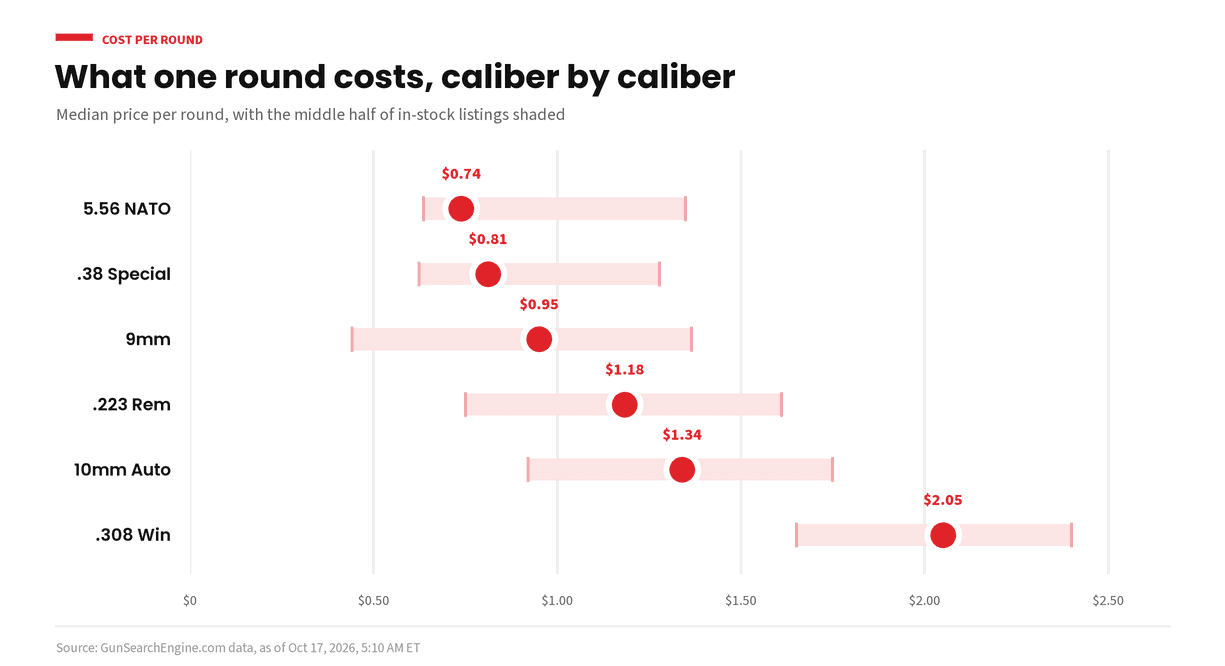
Ammo Cost Per Round: How to Compare Boxes Fairly
Why the box price can fool you, how to figure cost per round, and what else to compare before you pick an ammo listing.
- ammo
- price per round
- how to compare
October 17, 2026
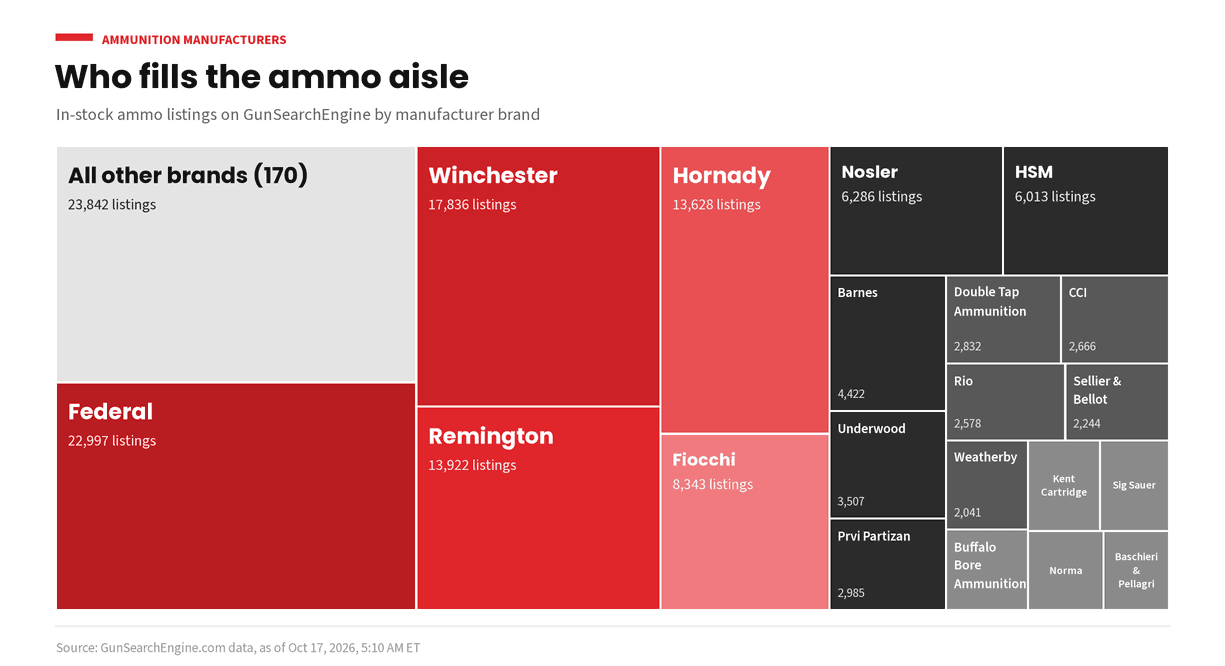
Ammunition Manufacturers: Who Makes What
A plain list of well-known ammunition makers, where they are based and what they are known for, with a link to each brand's live listings.
- ammo
- brands
- manufacturers
October 17, 2026
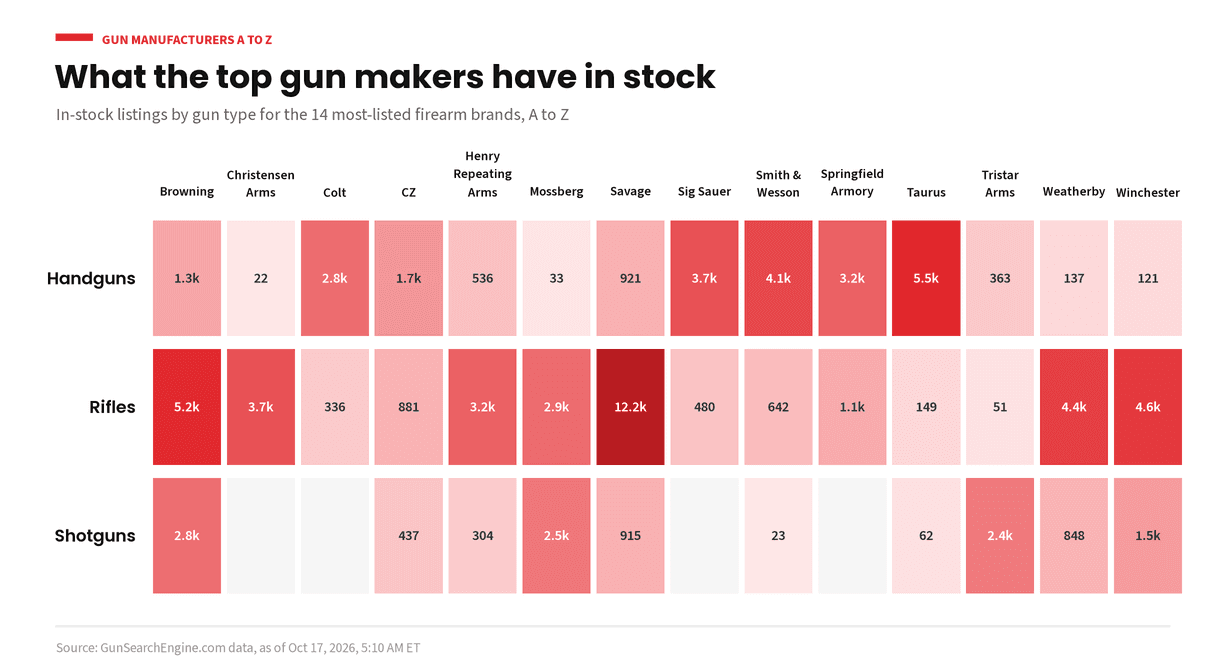
Gun Manufacturers A to Z: Who Makes What
An A to Z list of well-known gun makers, where they are based and what they are known for, plus how to read a model name, with a link to each brand's live listings.
- guns
- brands
- manufacturers
October 17, 2026
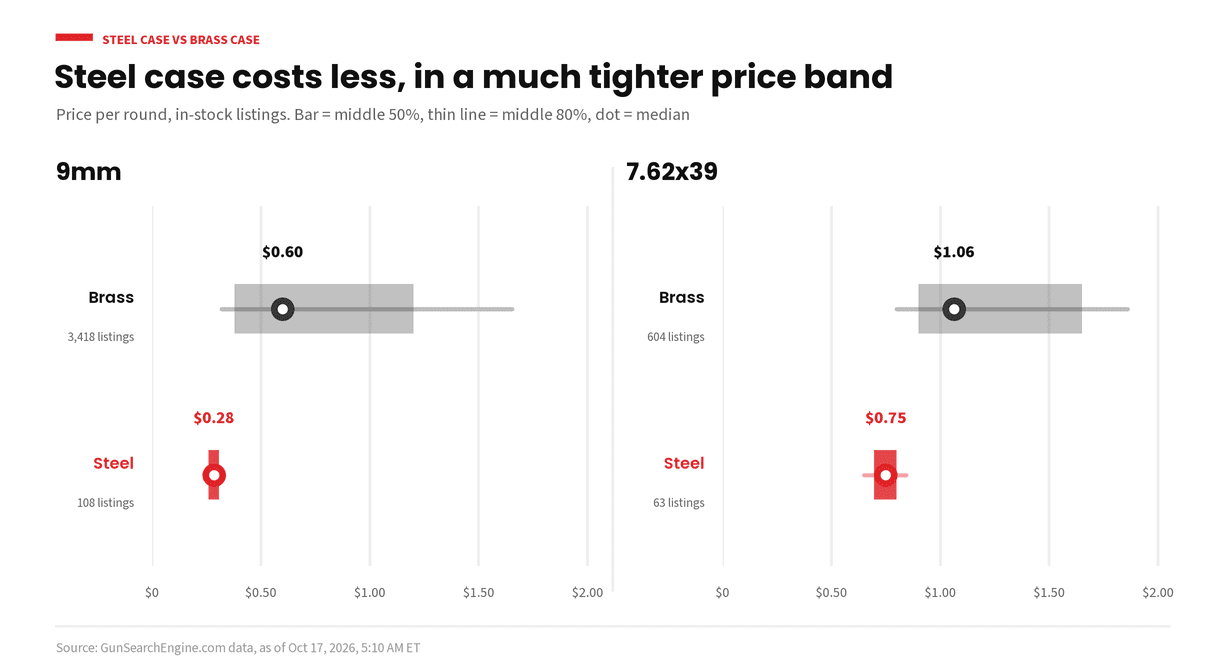
Steel-Case vs Brass-Case Ammo: What to Know
What steel-case ammo is, why it costs less, the common worries about extraction, range rules and reloading, and when brass is the better pick.
- ammo
- steel case
- brass case
- comparisons